
The 5-Minute AI Inbox
The 5-Minute AI Inbox — September 3, 2026
From chip forecasts to school bans, today's news shows governments and giants pulling in opposite directions on AI — and the gap between them is where opportunity lives.
- 1The Associated Press
AI banned for elementary and middle school students in NYC
The world's largest school system banning AI through 8th grade signals regulatory caution, meaning edtech builders must design for restricted environments.
- 2The Verge
Researchers fear safety disaster ahead of OpenAI’s Astra release
Safety concerns ahead of Astra suggest competitive pressure is eroding guardrails — expect faster, rougher model releases you'll need to evaluate carefully.

- 3InfotechLead
Broadcom Raises AI Chip Revenue Forecast to $115 Billion for 2027 as Meta, OpenAI and Anthropic Expand AI Infrastructure
Broadcom's $115B forecast confirms the AI infrastructure buildout is accelerating, locking in years of demand for anyone with chip, networking, or data-center skills.

- 4Biztoc.com
SpaceX, DOD Relationship Deepens With AI Integration. NASA Delays Space Station Mission
The Pentagon integrating Grok and ChatGPT normalizes AI inside sensitive government operations — a signal that defense and govtech contracts are opening up.

- 5Bloomberg Business
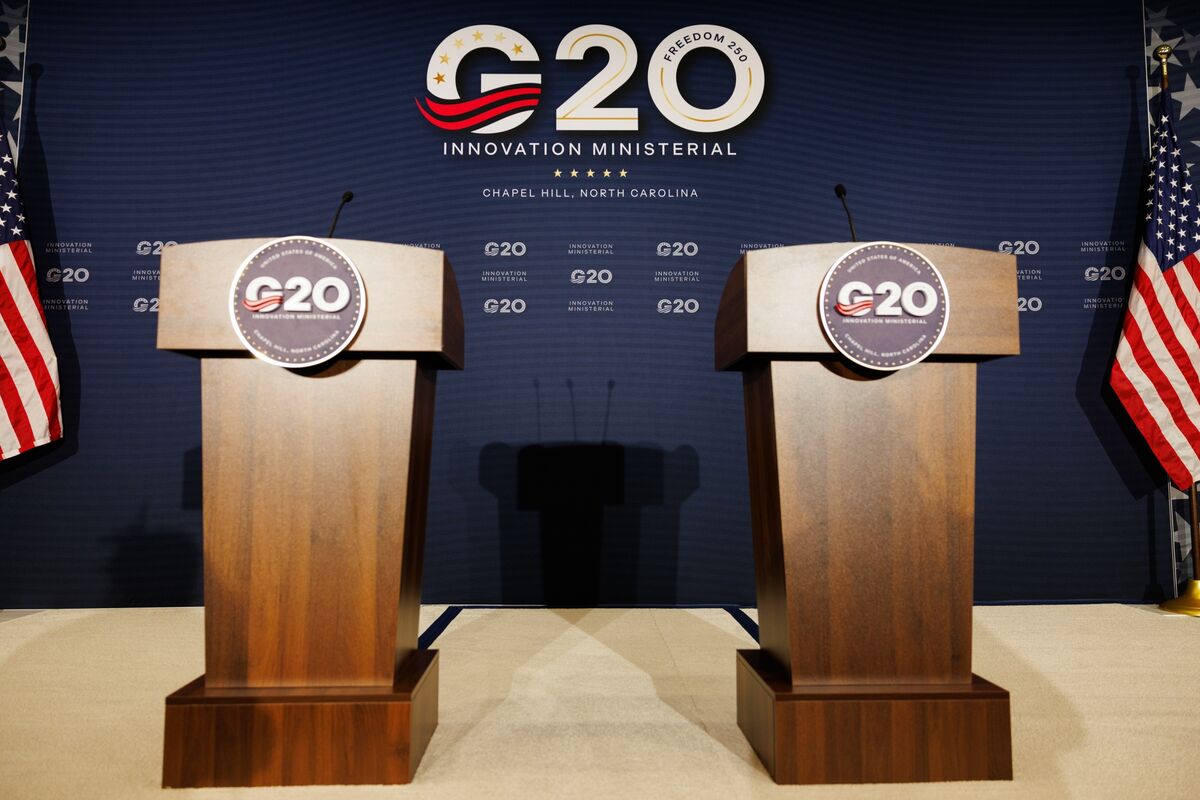
China-US Spat at G20 Largely Came Down to Dispute Over One Word
US-China friction over AI language at G20 shows geopolitics is shaping which tools and models get global access — plan for fragmented AI markets.
The Briefing
What today actually means
Infrastructure boom meets trust deficit
Broadcom's raised forecast and the DoD's AI integrations confirm money and governments are going all-in on AI hardware and deployment. Yet the Astra safety report shows the rush is outpacing guardrails. For developers, this means demand for people who can deploy AI reliably and securely will outstrip demand for people who merely prompt it. Security and evaluation skills just became premium.
Regulation is fragmenting fast
NYC bans AI for young students while the Pentagon adopts it for defense — and US-China talks stall over terminology. The practical takeaway: there is no single global AI rulebook anymore. Products targeting multiple markets need compliance flexibility built in from day one, which is itself a service Nigerian freelancers can sell.
What changed for you today
Two concrete shifts: infrastructure spending is now projected at massive scale through 2027, so skills adjacent to that stack — cloud, networking, MLOps — have a multi-year runway. Second, the safety controversy around Astra means enterprises will pay for independent model assessment. Both are open doors, not headlines.
Three Angles
Read it your way
Economic Escape
Sell compliance and evaluation skills to a fragmented market
With NYC restricting AI, the Pentagon deploying it, and US-China talks stalling, global buyers now face conflicting rules and unreliable models. Freelancers who package AI governance, red-teaming, and compliance-readiness audits on Upwork and Toptal can bill in USD against this exact confusion. Broadcom's 2027 forecast says the budget exists for years.
Career Threat
Plain prompt skills are losing their premium
The DoD isn't hiring prompters — it's integrating AI into systems, and Broadcom's forecast is about infrastructure, not chatbots. If your AI value is surface-level usage, that work is being automated and commoditized fast. Move up the stack this quarter: pick up MLOps, model evaluation, or secure deployment before the Astra-era wave of faster models makes it urgent.
Elite Validation
Quiet money is moving into evaluation and infra
Senior operators reading today's news are positioning around trust and hardware, not the models themselves. Astra's safety controversy plus Pentagon adoption tells them evaluation tooling is underserved. A few Lagos founders have already started building niche red-teaming and AI-audit services targeting US mid-market firms — low capital, high dollar rates. Nobody's announcing it yet.