
How AI adoption is widening town-gown demand gap, job crisis
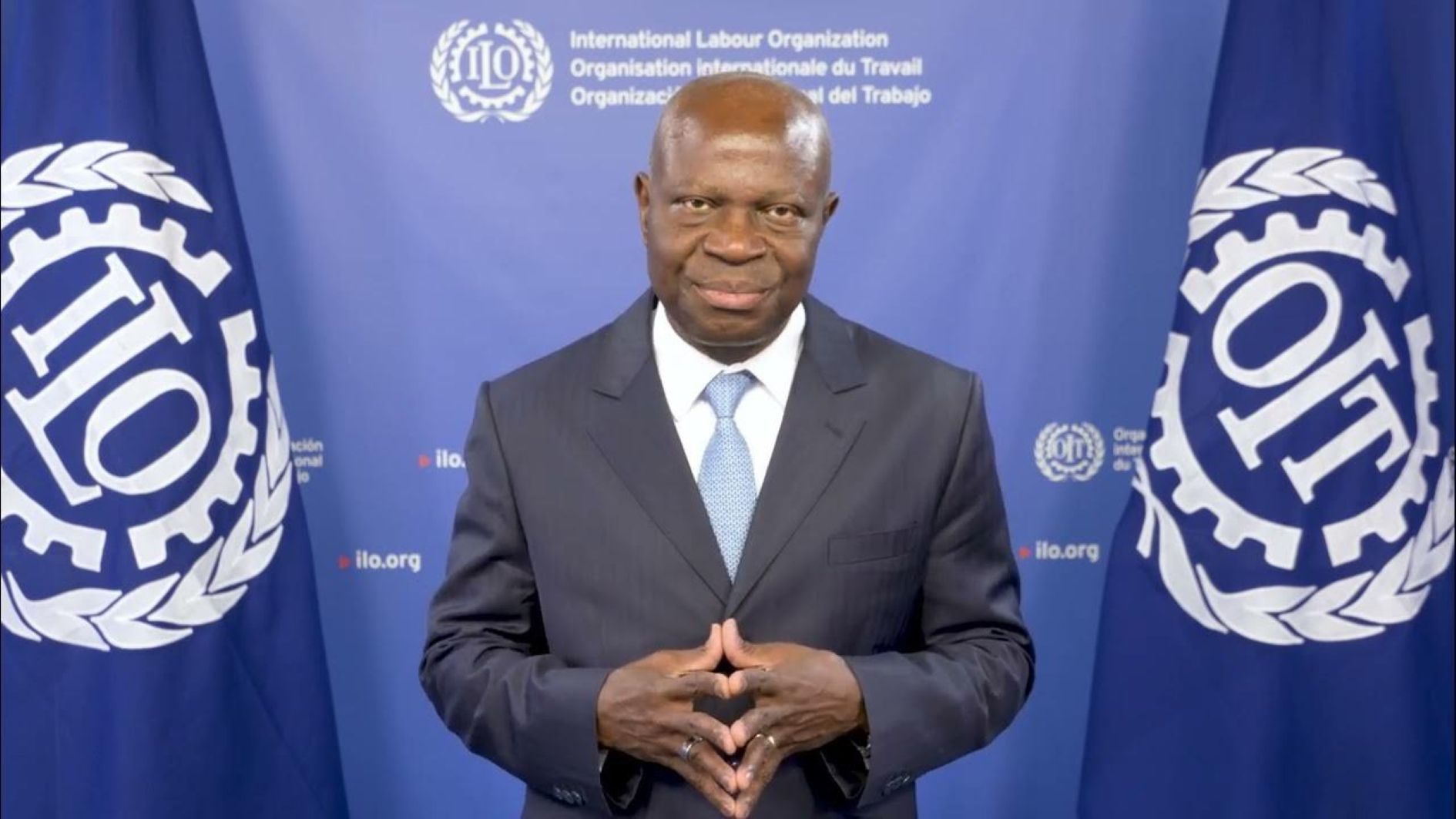
Nigeria's youth employment challenge is increasingly exposing a gap between what the education system produces and what the labour market demands, raising questions about how effectively schools, industries and government employment policies could collaborate to address relevant challenges, GLORIA NWAFOR reports. The…
Nigeria's youth employment challenge is increasingly exposing a gap between what the education system produces and what the labour market demands, raising questions about how effectively schools, industries and government employment policies could collaborate to address relevant challenges, GLORIA NWAFOR reports. The unemployment challenge goes beyond the number of young people without jobs. For many graduates and other young entrants to the labour market, the difficulty lies in moving from education and training into stable, productive employment. Weak school-to-work pathways, limited industry participation in skills development and a mismatch between academic curricula and workplace requirements continue to leave many young people struggling to convert qualifications into employment opportunities. The concern has gained fresh attention following the International Labour Organisation's (ILO) Global Employment Trends for Youth 2026: Back to the Future, which reported that global youth unemployment rose to 12.4 per cent in 2025, representing about 67 million people aged 15 to 24. The report also found that one in five young people globally was not in employment, education or training. For Nigeria, the figures present a more complex picture. While the country's headline youth unemployment rate is comparatively lower, the dominance of informal employment points to a deeper problem of job quality, skills utilisation and career progression. The report also found that the proportion of young people not in employment, education or training increased slightly to 20 per cent, affecting more than 257 million young people globally. According to the organisation, youth unemployment increased between 2023 and 2025 in eight of the world's 11 subregions, indicating a reversal of the improvement recorded after the COVID-19 pandemic. The development is particularly significant for developing economies such as Nigeria, where the challenge is not only unemployment but also the…